How AI Could Compose a New Kind of Art
by Refik Anadol · how ai will transform human creativity
- AI
- art
- generative
- technology
Many assume AI will eclipse human artists by automating originality, yet Refik Anadol's installations suggest the opposite: machines may force creators to step back and curate data flows rather than originate every detail.
Opening Tension and the Speaker's Argument
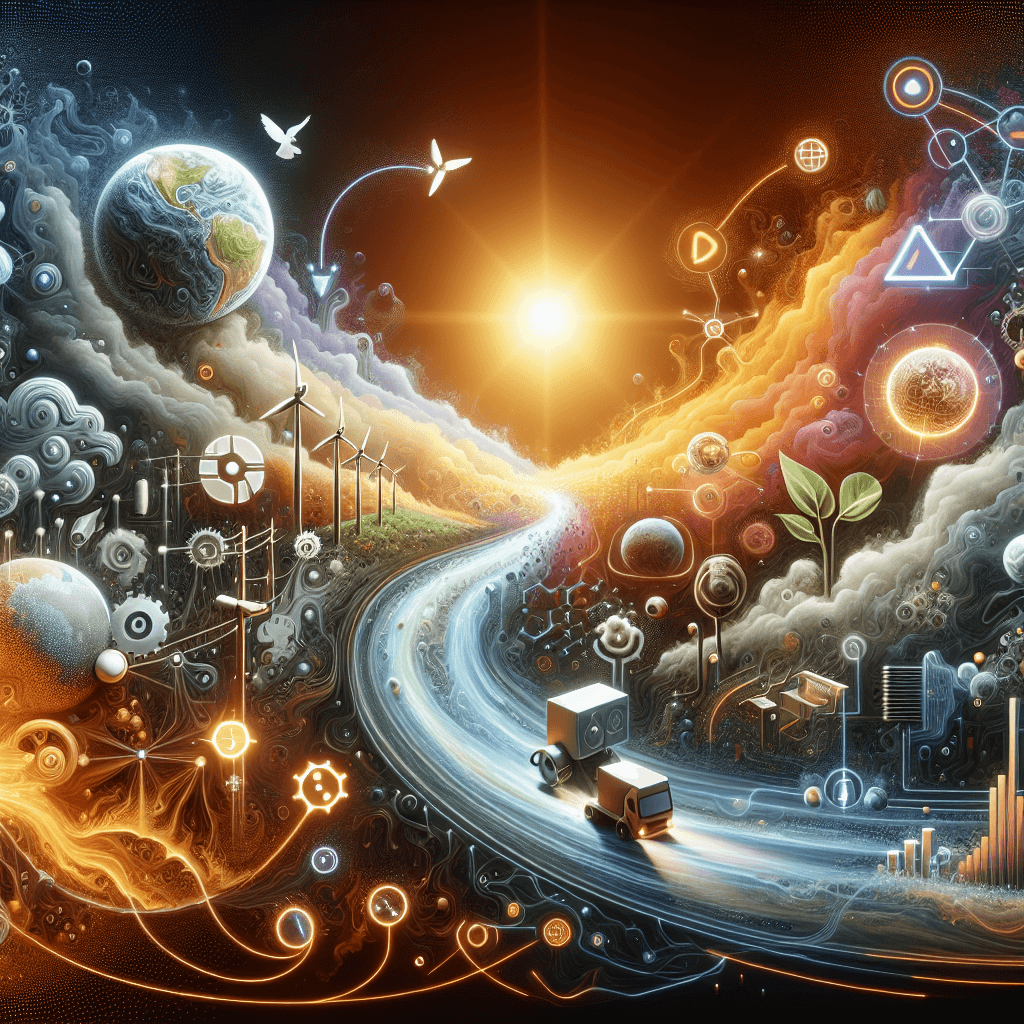
Refik Anadol's work reimagines data as living art through generative AI, producing immersive installations that expand artistic boundaries. This directly upends the fear of replacement by positioning AI as a collaborator that turns raw information into dynamic experiences no human could sculpt alone. The speaker's installations demonstrate how generative processes transform static datasets into responsive environments, confirming that human creativity shifts toward directing these systems instead of supplying every pixel or form.
What the Speaker Gets Right
Anadol correctly highlights how reimagining data as living art opens new expressive territories. His approach shows businesses can harness generative AI for creative disruption by treating information itself as raw material for unexpected visual and spatial narratives. This aligns with the broader transformation of human creativity, where artists become orchestrators who set parameters and interpret machine outputs rather than laboring over each element.
Areas Needing Qualification
While Anadol's method expands boundaries effectively in gallery and installation settings, the talk leaves open how such data-driven processes translate to everyday creative fields outside large-scale tech collaborations. Human judgment remains essential for selecting which datasets matter and interpreting the resulting forms, preventing pure automation from dictating meaning. Without this human layer, the installations risk becoming visually compelling yet conceptually shallow.
Synthesizing the Takeaway
Anadol's insight that generative AI turns data into living art ultimately reframes the central question of artists' evolving role. Rather than disappearing, human creators gain leverage by designing the conditions under which machines generate, preserving intentionality while allowing emergent outcomes. This synthesis suggests AI will not erase creativity but redistribute it, with artists focusing on curation, context, and disruption across both artistic and business domains.