How AI Can Save Our Humanity
by Kai-Fu Lee · the future of artificial intelligence in everyday life
- AI
- technology
- future
- jobs
- economy
When Robots Clock In, Our Capacity for Care Clocks Up
Many assume that the rise of artificial intelligence will strip daily life of warmth, turning routine interactions into cold, efficient transactions. Yet Kai-Fu Lee's argument in "How AI Can Save Our Humanity" flips this expectation on its head by showing how automation can actually expand space for empathy and creativity.
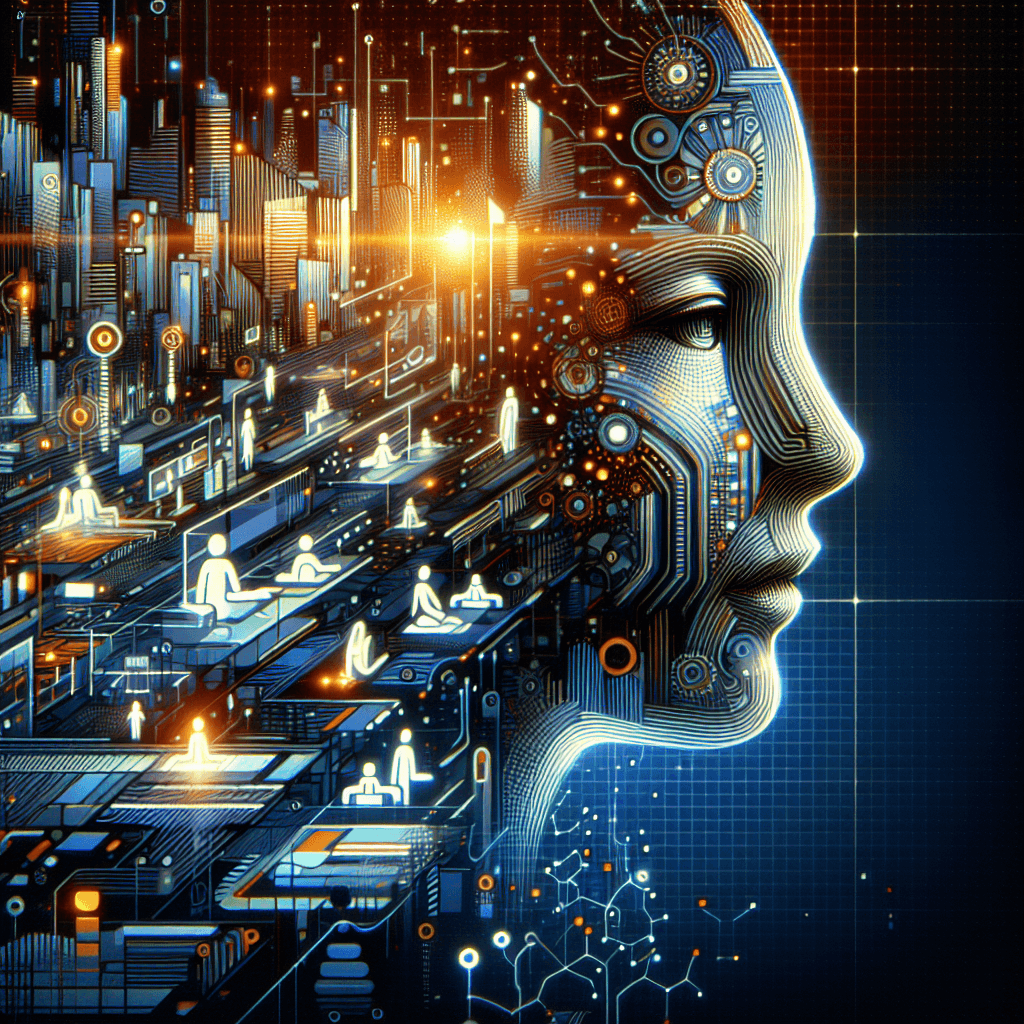
Lee contends that AI will automate routine jobs, freeing humans to pursue creative and compassionate endeavors. This directly addresses the future of artificial intelligence in everyday life by positioning intelligent machines not as replacements for human connection but as enablers of it. The speaker's blueprint for rethinking work suggests that once machines handle repetitive tasks, people can redirect their energy toward roles centered on love, compassion, and creativity, thereby preserving and enhancing our humanity in an AI-driven world.
This perspective confirms the opening tension rather than upending it: the very displacement that feels threatening becomes the mechanism for deeper human engagement. Where Lee gets it right is in linking job transformation to renewed purpose; by removing drudgery, AI creates openings for interactions that machines cannot replicate, such as offering genuine emotional support or generating novel ideas born from lived experience. His view aligns neatly with the broader topic of AI in everyday life, where technology handles logistics so that family dinners, community volunteering, or artistic collaborations can flourish without the pressure of constant productivity.
Still, the ideas invite some qualification. While the shift to human-centric work sounds promising, it assumes a smooth transition in which everyone gains access to these new compassionate roles. In practice, the speaker's emphasis on love and creativity may require additional societal structures to ensure equitable distribution, lest some communities remain stuck in transitional uncertainty. The central question of how AI might enhance empathy over the next decade finds a partial answer here: rather than embedding empathy inside algorithms, Lee envisions AI clearing the calendar so that daily encounters—listening to a neighbor's struggles or mentoring a child—can receive fuller attention.
Synthesizing these threads, the takeaway is that the future of artificial intelligence in everyday life is not a contest between humans and machines but a partnership that elevates what makes us distinct. By automating the mechanical, AI hands back the hours once lost to routine, allowing empathy to move from afterthought to centerpiece of our shared existence.