How AI is unlocking the secrets of nature and the universe
by Demis Hassabis · how ai is revolutionizing climate solutions
- AI
- science
- climate
- innovation
How AI is Unlocking the Secrets of Nature and the Universe
Introduction
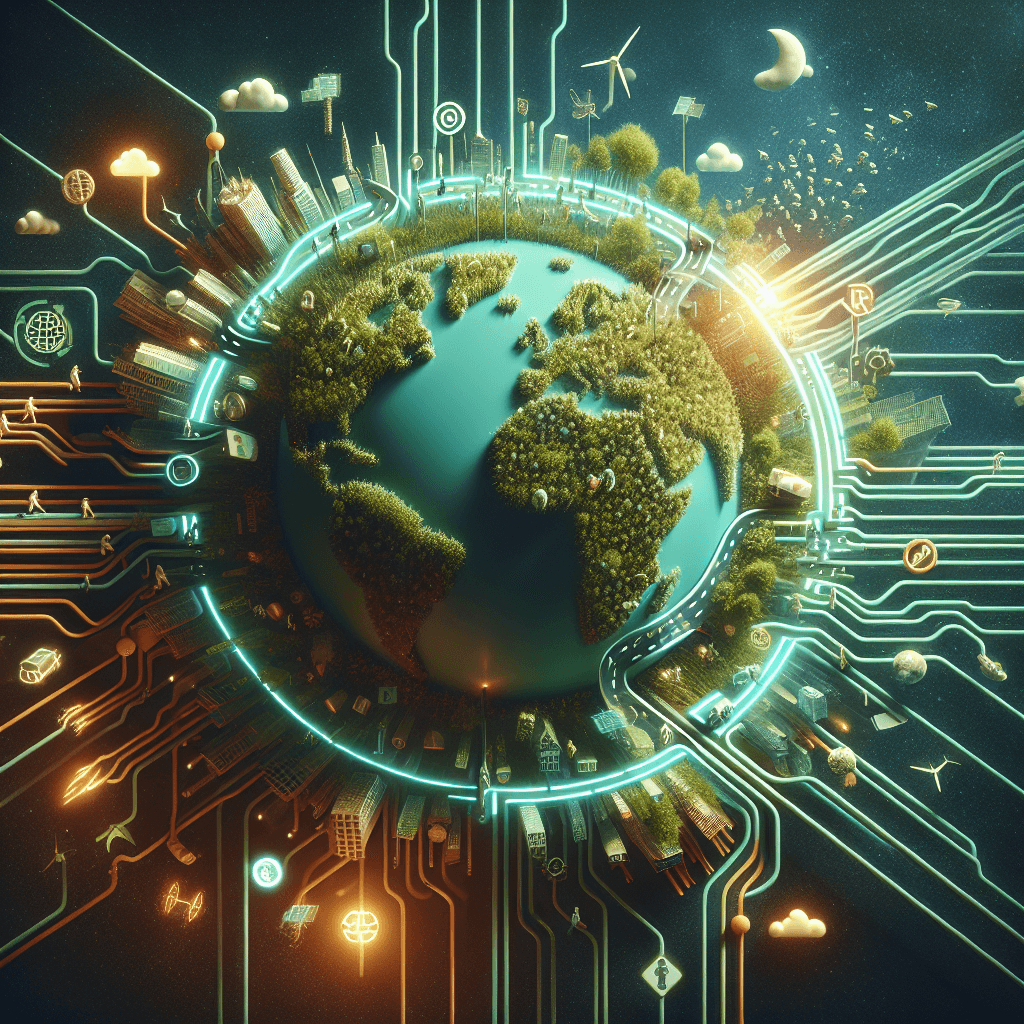
Artificial Intelligence (AI) is transforming our understanding of the world around us. From addressing climate change to peering into the cosmos, AI tools are revolutionizing scientific discovery. This essay explores how AI is revolutionizing climate solutions while unlocking profound secrets of nature and the universe, blending innovation with exploration.
AI's Role in Revolutionizing Climate Solutions
AI is at the forefront of combating climate change by providing data-driven insights and predictive models. It analyzes vast datasets to forecast environmental shifts and optimize resource use.
- Predictive Modeling: AI algorithms predict weather patterns and climate trends with unprecedented accuracy, helping governments prepare for natural disasters.
- Renewable Energy Optimization: Machine learning optimizes solar and wind energy production by analyzing weather data in real-time.
- Carbon Footprint Reduction: AI-powered systems monitor and reduce emissions in industries like manufacturing and transportation.
These applications demonstrate AI's potential to create sustainable solutions, making climate action more efficient and effective.
Unlocking the Secrets of Nature
Nature holds intricate mysteries, from ecosystems to molecular structures. AI deciphers these by processing complex biological and environmental data.
Short paragraphs on specific examples:
In biodiversity conservation, AI identifies species through image recognition, aiding in the protection of endangered habitats.
AI also accelerates drug discovery by simulating molecular interactions, unlocking nature's pharmacological secrets for new medicines.
- Genomics and AI: Tools like deep learning analyze DNA sequences to uncover evolutionary patterns.
- Ecosystem Monitoring: Drones equipped with AI track deforestation and wildlife migration.
Through these methods, AI reveals hidden patterns in nature, fostering a deeper appreciation and better stewardship of our planet.
Exploring the Universe with AI
Beyond Earth, AI is instrumental in unraveling cosmic enigmas. It processes astronomical data from telescopes and satellites, identifying phenomena that humans might overlook.
Astronomers use AI to classify galaxies and detect exoplanets, expanding our knowledge of the universe's vastness.
- Black Hole Imaging: AI enhanced the first images of black holes by reconstructing data from radio telescopes.
- Dark Matter Detection: Machine learning models sift through particle collision data to hint at dark matter's properties.
- Space Exploration: AI navigates rovers on Mars, analyzing terrain for signs of ancient life.
These advancements show how AI acts as a cosmic detective, pushing the boundaries of human discovery.
Challenges and Ethical Considerations
While AI offers immense potential, it comes with challenges. Data privacy, algorithmic bias, and energy consumption must be addressed to ensure responsible use.
Ethical frameworks are essential to guide AI development, preventing misuse in sensitive areas like climate data manipulation.
- Bias Mitigation: Training AI on diverse datasets to avoid skewed results.
- Sustainability: Developing energy-efficient AI to minimize its own environmental impact.
Overcoming these hurdles will maximize AI's benefits for nature and the universe.
Conclusion
AI is not just a tool; it's a key to unlocking the secrets of nature and the universe. By revolutionizing climate solutions and enabling groundbreaking discoveries, AI paves the way for a brighter, more informed future. As technology evolves, its integration with science promises even greater revelations.