Let's make the world wild again
by Kristine Tompkins · rewilding our planet: restoring biodiversity
- conservation
- wildlife
- environment
- South America
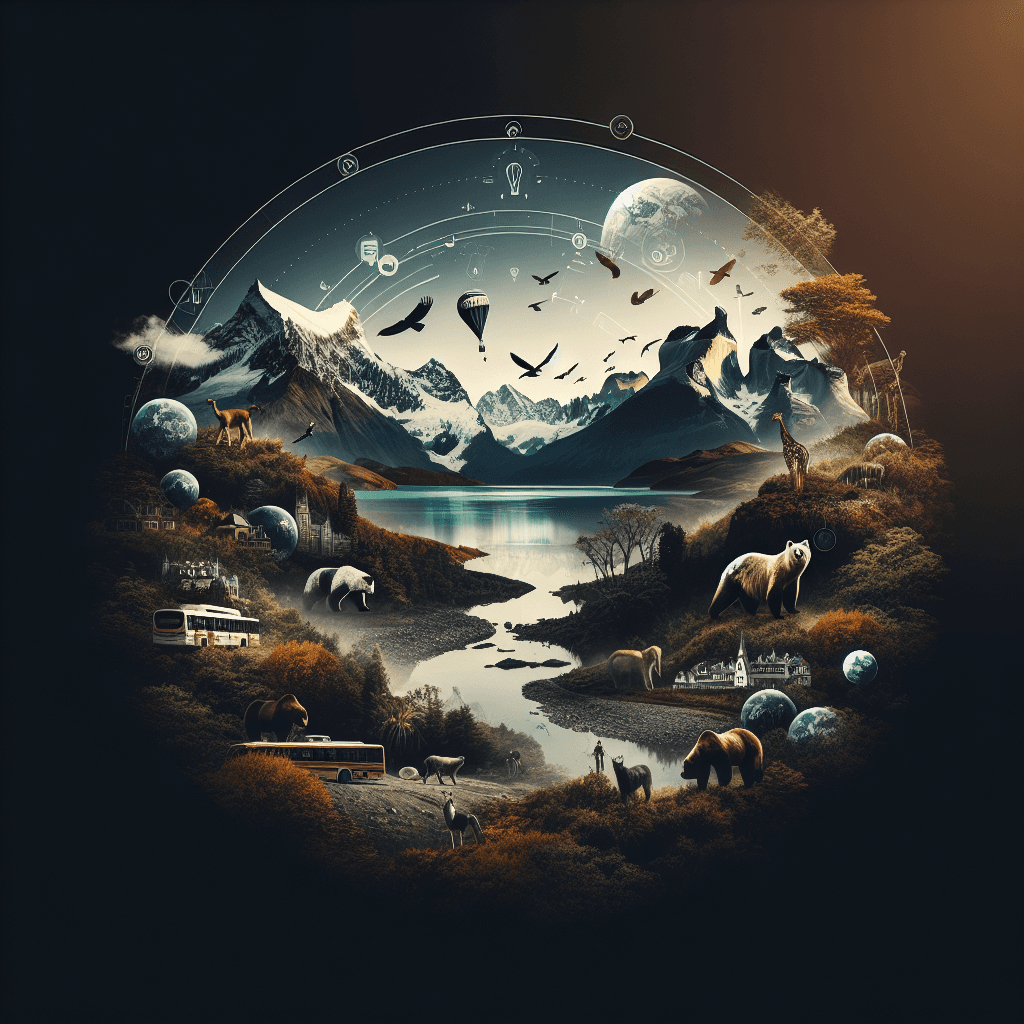
Kristine Tompkins stands out through three decades of hands-on work protecting and rewilding large stretches of land in South America. Her efforts have focused on safeguarding habitats to restore balance in the natural world, all while Earth faces a crisis as humanity's only home. This practical background frames her call to action in the talk "Let's make the world wild again."
The Speaker's Distinctive Perspective
Tompkins' viewpoint draws directly from her long-term conservation projects across South America. Unlike theorists or policymakers, she has implemented large-scale efforts that turn degraded areas into protected zones. Her experience highlights how rewilding can succeed when tied to national parks and habitat restoration.
Central Argument and Key Points
Tompkins argues that rewilding is essential because "We have to make the world wild again, because in doing so, we save ourselves." She builds this by linking habitat protection in South America to broader biodiversity recovery. Key points include scaling up conservation to restore natural systems and recognizing that human survival depends on these restored landscapes.
Relevance to Rewilding Our Planet
This message connects straight to the trending topic of restoring biodiversity today. Tompkins shows how national parks and rewilding projects in one region can model global solutions for a planet in crisis. Her South American successes demonstrate that targeted protection efforts can reverse habitat loss and rebalance ecosystems amid ongoing environmental threats.
Actions Communities Can Take
After hearing Tompkins, individuals might prioritize supporting local habitat protection initiatives modeled on large-scale parks. Communities could advocate for preserving nearby wild areas or partner with conservation groups to restore native species. These steps translate her global rewilding vision into everyday choices that aid biodiversity from the ground up.