How AI Can Save Our Humanity
by Kai-Fu Lee · the ai revolution: transforming business ethics and innovation
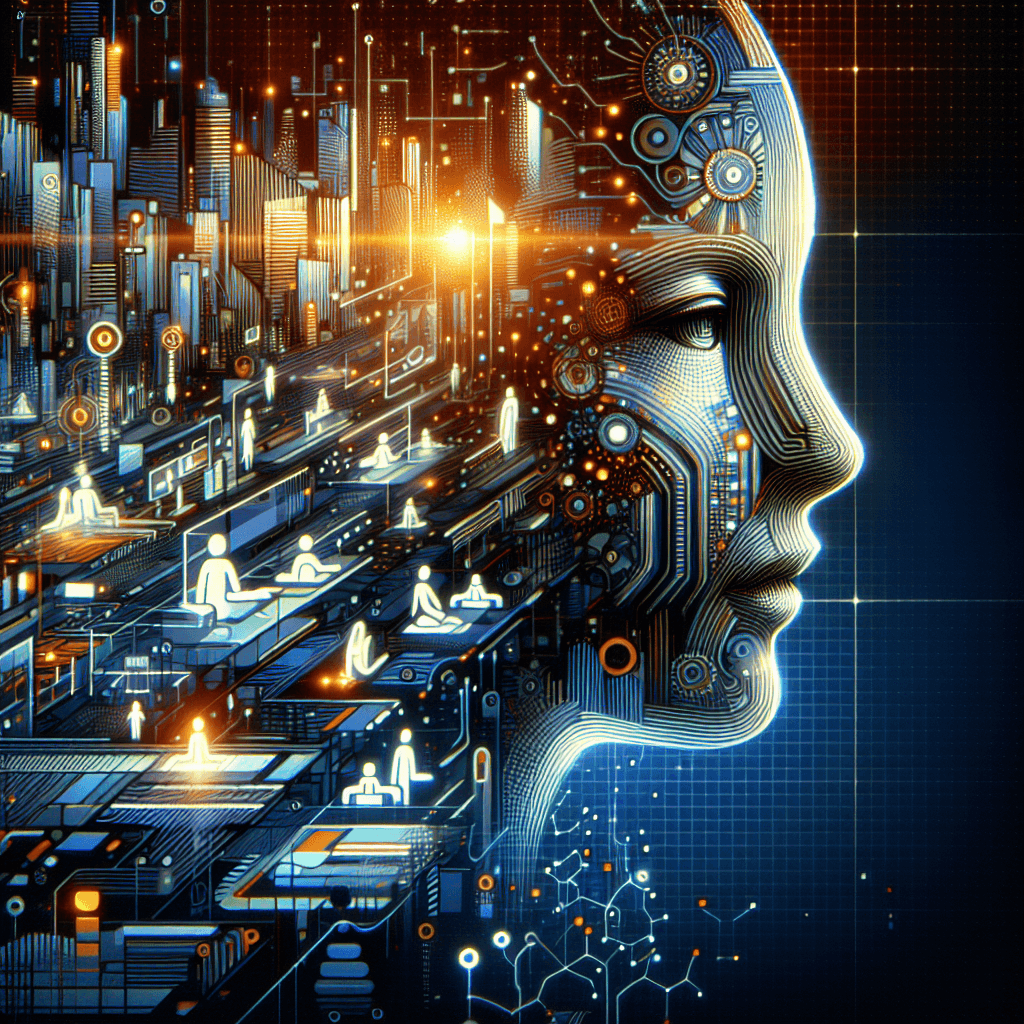
- AI
- technology
- future
- jobs
- economy
The AI Revolution: Transforming Business Ethics and Innovation
Introduction to the AI Revolution
The AI revolution is reshaping the world at an unprecedented pace. From automating routine tasks to generating creative content, artificial intelligence is no longer a futuristic concept but a present reality. This transformation extends deeply into business ethics and innovation, challenging traditional norms while opening new avenues for growth.
In this essay, we explore the talk title "How AI Can Save Our Humanity" within the trending topic of the AI revolution. We'll examine how AI influences ethical practices in business, fosters innovation, and ultimately helps preserve our human essence amid technological advancement.
AI's Role in Transforming Business Ethics
AI introduces complex ethical dilemmas in business, but it also provides tools to address them. By embedding ethical frameworks into AI systems, companies can ensure fair decision-making and transparency.
For instance, AI algorithms can detect biases in hiring processes, promoting diversity and inclusion. This not only aligns with ethical standards but also enhances business outcomes.
Key Ethical Benefits of AI in Business
- Bias Detection and Mitigation: AI tools analyze data to identify and correct discriminatory patterns, leading to more equitable workplaces.
- Transparency and Accountability: Blockchain-integrated AI can track decision-making processes, making it easier to audit and explain actions.
- Sustainable Practices: AI optimizes resource use, helping businesses reduce their environmental footprint and adhere to ethical sustainability goals.
These advancements show how AI can elevate ethical standards, ensuring that innovation doesn't come at the cost of moral integrity.
Driving Innovation Through AI
Innovation is the lifeblood of business, and AI accelerates it by enabling rapid prototyping, data-driven insights, and personalized solutions. Companies leveraging AI are pioneering new products and services that were once unimaginable.
Consider how AI-powered analytics predict market trends, allowing businesses to innovate proactively. This shift not only boosts competitiveness but also encourages ethical innovation by focusing on user-centric designs.
Examples of AI-Fueled Innovations
- Healthcare Breakthroughs: AI diagnostics tools detect diseases earlier, saving lives and reducing healthcare costs.
- Personalized Education: Adaptive learning platforms tailor content to individual needs, making education more accessible and effective.
- Smart Manufacturing: AI optimizes supply chains, minimizing waste and enhancing efficiency in production.
Through these innovations, AI is not just a tool but a catalyst for positive change in various industries.
How AI Can Save Our Humanity
Amid fears that AI might erode human qualities like empathy and creativity, the talk title suggests a counter-narrative: AI can actually preserve and enhance our humanity. By handling mundane tasks, AI frees humans to focus on what makes us unique—emotional intelligence, ethical reasoning, and interpersonal connections.
AI can augment human capabilities, such as in mental health support where chatbots provide initial counseling, allowing therapists to handle complex cases. This symbiotic relationship ensures technology serves humanity, not supplants it.
Ways AI Preserves Human Elements
- Enhancing Creativity: AI generates ideas, but humans provide the emotional depth and context, leading to richer artistic expressions.
- Promoting Empathy: AI analyzes social data to foster better understanding in diverse teams, reducing conflicts and building stronger relationships.
- Ethical Safeguards: Developing AI with human values in mind prevents dehumanization, ensuring technology aligns with societal good.
By integrating AI thoughtfully, we can safeguard our humanity while embracing progress.
Addressing Risks and Challenges
No revolution is without risks. AI could exacerbate inequalities or lead to job displacement if not managed ethically. However, proactive measures like reskilling programs and inclusive AI policies can mitigate these issues.
Businesses must prioritize ethical AI development to avoid pitfalls, ensuring that innovation benefits all of society.
Conclusion: Embracing AI for a Human-Centric Future
The AI revolution is transforming business ethics and innovation, but its true potential lies in saving our humanity. By using AI to amplify human strengths and address ethical challenges, we can create a future where technology enhances rather than diminishes our essence.
As we navigate this era, the key is balanced integration—leveraging AI's power while staying true to human values. In doing so, AI becomes a savior, not a threat, to our shared humanity.