A roadmap for sustainable energy
by Amory Lovins · sustainable tech innovations for climate action
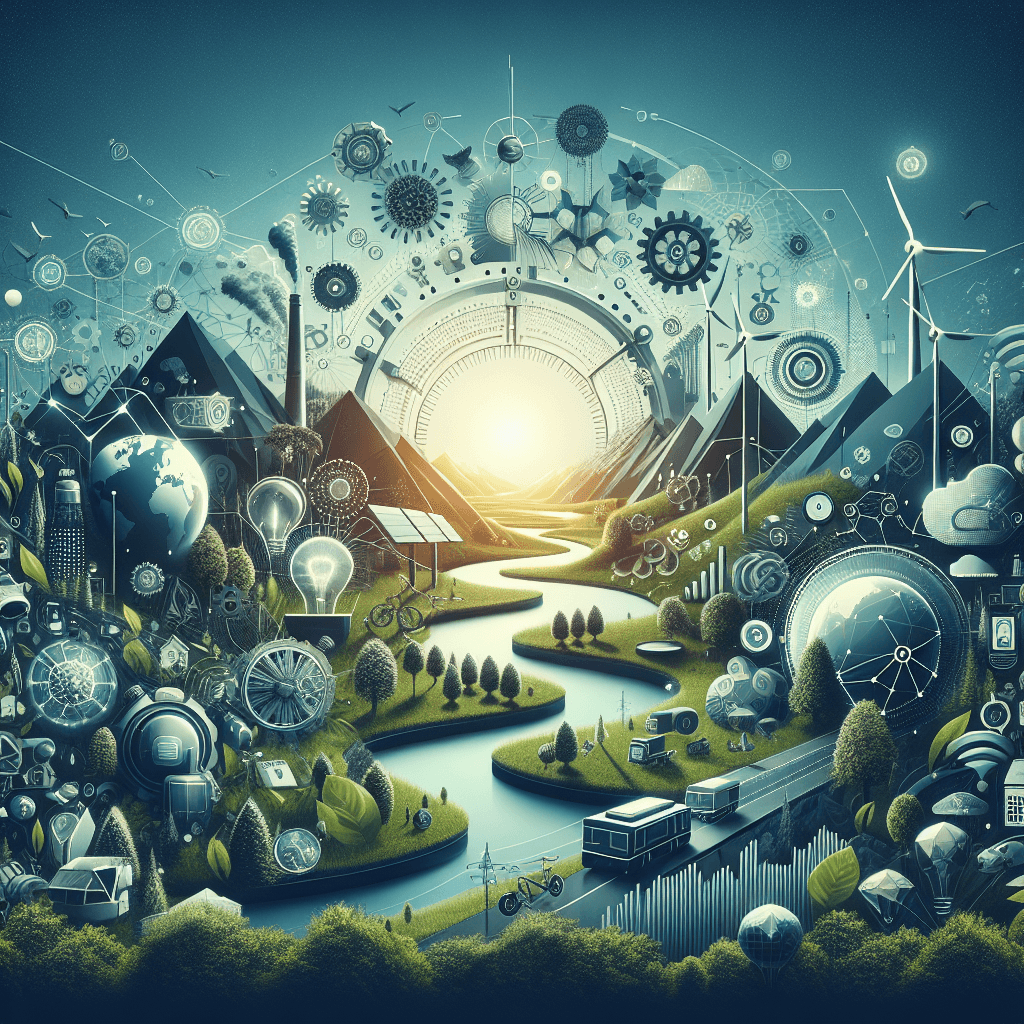
- energy
- sustainability
- environment
- innovation
A Roadmap for Sustainable Energy
Introduction to Sustainable Energy
Sustainable energy refers to energy sources that are renewable, environmentally friendly, and capable of meeting current needs without compromising future generations. In the face of escalating climate change, transitioning to sustainable energy is crucial for reducing greenhouse gas emissions and mitigating global warming.
This roadmap outlines key innovations and steps toward achieving a sustainable energy future, aligning with trending topics in sustainable tech for climate action.
Current Challenges in Energy Production
Traditional energy sources like fossil fuels contribute significantly to carbon emissions, air pollution, and resource depletion. The intermittency of renewables, high initial costs, and infrastructure limitations pose barriers to widespread adoption.
Addressing these challenges requires innovative technologies and strategic planning to ensure energy security and environmental protection.
Key Sustainable Tech Innovations
Advancements in technology are paving the way for cleaner energy solutions. Here are some pivotal innovations:
- Solar Power Enhancements: Next-generation photovoltaic cells, such as perovskite solar cells, offer higher efficiency and lower production costs.
- Wind Energy Advancements: Offshore wind farms and turbine designs with AI-optimized blades improve energy capture in diverse conditions.
- Energy Storage Solutions: Lithium-ion batteries and emerging technologies like solid-state batteries enable better storage of intermittent renewable energy.
- Smart Grids: IoT-enabled grids optimize energy distribution, reduce waste, and integrate renewables seamlessly.
- Hydrogen Fuel: Green hydrogen produced via electrolysis using renewable energy provides a clean alternative for heavy industries and transportation.
These innovations not only reduce emissions but also create economic opportunities through job creation and investment.
Building a Roadmap: Steps Toward Implementation
A structured approach is essential for transitioning to sustainable energy. The following steps form a practical roadmap:
-
Assessment and Planning: Evaluate current energy systems, set emission reduction targets, and develop national policies supporting renewables.
-
Investment in Research and Development: Allocate funding for R&D in cutting-edge technologies to accelerate innovation and commercialization.
-
Infrastructure Development: Build and upgrade grids, storage facilities, and renewable installations to support increased capacity.
-
Policy and Regulation: Implement incentives like tax credits, subsidies, and carbon pricing to encourage adoption by businesses and consumers.
-
Education and Collaboration: Foster public awareness, international partnerships, and workforce training to build a skilled labor force.
-
Monitoring and Adaptation: Use data analytics to track progress, adjust strategies, and scale successful initiatives globally.
Benefits and Global Impact
Adopting this roadmap can lead to significant benefits, including reduced energy costs over time, improved public health from lower pollution, and enhanced resilience against climate impacts.
On a global scale, sustainable energy innovations contribute to achieving the United Nations Sustainable Development Goals, particularly those related to affordable clean energy and climate action.
Conclusion
The journey to sustainable energy is both a necessity and an opportunity. By embracing innovative technologies and following a clear roadmap, we can drive meaningful climate action and build a greener future. Stakeholders from governments to individuals must collaborate to make this vision a reality.