The next global superpower isn't who you think
by Ian Bremmer · navigating geopolitical tensions in a multipolar world
- geopolitics
- technology
- global power
- multipolarity
The Next Global Superpower Isn't Who You Think
Introduction
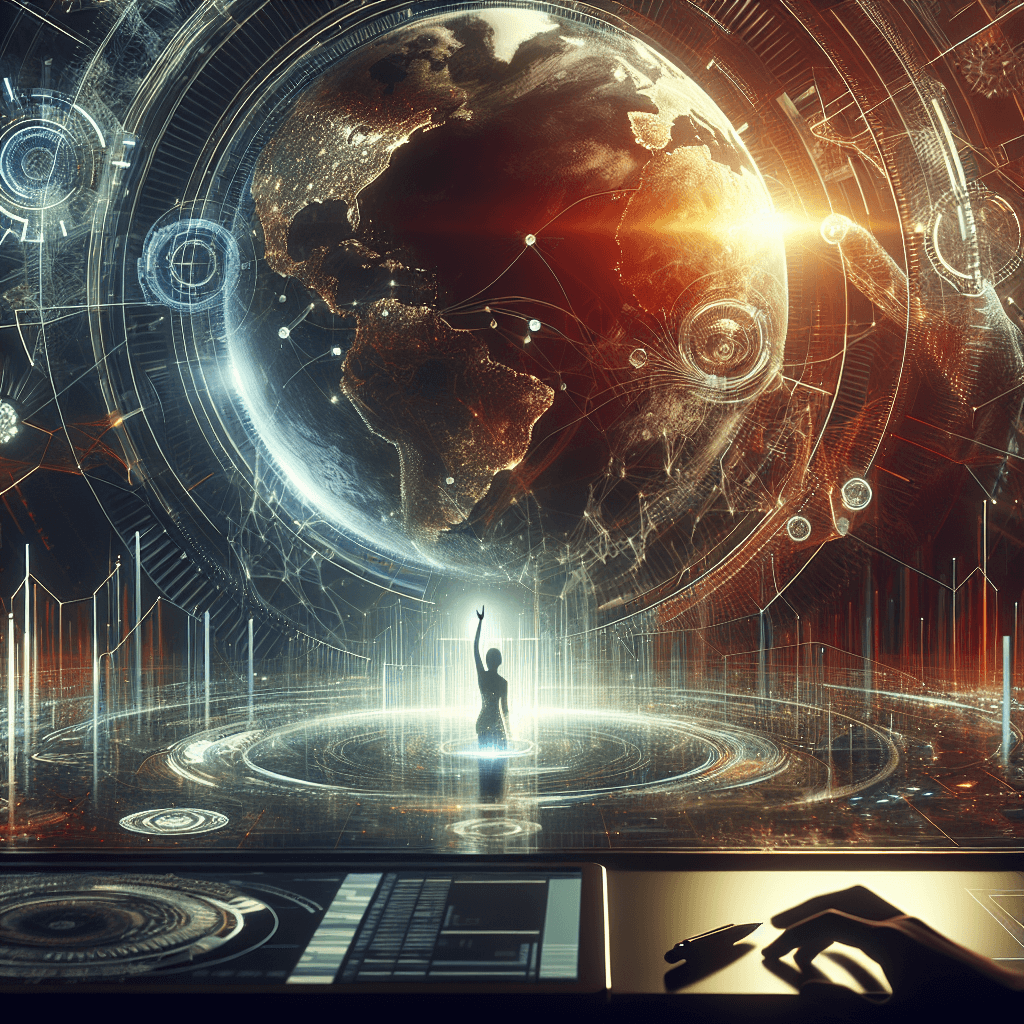
In an era of shifting geopolitical landscapes, the question of who will emerge as the next global superpower captivates analysts, policymakers, and the public alike. Traditional narratives often pit established giants like the United States against rising challengers such as China. However, as we navigate the complexities of a multipolar world, the true contender might surprise you. This essay explores the trending topic of geopolitical tensions and argues that the next superpower isn't a nation-state at all—it's artificial intelligence (AI).
Understanding Multipolar Geopolitics
The world is no longer dominated by one or two superpowers. Instead, we're witnessing a multipolar order where influence is distributed among multiple actors.
- Declining Unipolarity: The post-Cold War era of U.S. dominance is fading, challenged by economic shifts and global crises.
- Rising Powers: China, India, and regional blocs like the European Union are asserting themselves, creating tensions in trade, technology, and security.
- Key Tensions: Issues like the U.S.-China trade war, conflicts in Ukraine and the Middle East, and climate change exacerbate instability.
These dynamics force us to rethink what constitutes a superpower in the 21st century.
Why Traditional Superpowers Are Faltering
Nations like the U.S. and China face internal and external pressures that undermine their long-term dominance.
For the United States:
- Economic inequality and political polarization weaken social cohesion.
- Heavy reliance on military might over soft power limits global appeal.
For China:
- Demographic challenges, such as an aging population, strain economic growth.
- Geopolitical isolation due to assertive policies in the South China Sea and beyond.
Even emerging players like India grapple with infrastructure deficits and regional rivalries. These factors suggest that no single country can claim unchallenged supremacy.
The Rise of AI as the Unconventional Superpower
Enter artificial intelligence—not as a tool wielded by nations, but as a transformative force reshaping global power structures. AI's potential to drive innovation, efficiency, and decision-making positions it as the next superpower.
AI's Economic Dominance
AI is revolutionizing industries, from healthcare to finance, creating unprecedented wealth and influence.
- Productivity Boost: AI automates tasks, potentially adding trillions to the global economy.
- Data as Currency: Control over data fuels AI advancements, making tech companies more powerful than some governments.
AI in Geopolitical Strategy
Nations are racing to integrate AI into defense and diplomacy, but AI itself could transcend borders.
- Autonomous Systems: AI-driven drones and cyber defenses change warfare dynamics.
- Global Networks: AI facilitates cross-border collaborations, diminishing the importance of national boundaries.
Ethical and Societal Impacts
AI's rise brings challenges, including job displacement and privacy concerns, but also opportunities for equitable growth if managed wisely.
Navigating Tensions in an AI-Driven World
To thrive in this multipolar, AI-influenced landscape, stakeholders must adapt.
- International Regulations: Establish global standards for AI development to prevent misuse.
- Inclusive Innovation: Ensure developing nations participate in AI advancements to reduce inequalities.
- Ethical Frameworks: Prioritize human-centric AI to mitigate risks like autonomous weapons.
By addressing these, we can harness AI's power for collective benefit rather than division.
Conclusion
The next global superpower isn't a 'who' in the traditional sense—it's AI, an entity that defies borders and reshapes realities. As geopolitical tensions evolve, embracing this shift could lead to a more interconnected and innovative world. The key lies in proactive navigation, ensuring AI serves humanity rather than supplanting it.